By Alabi Wealth Comfort.
April 2nd, 20226.
Theatre as a Bridge Across Worlds
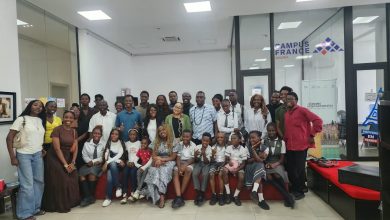
The webinar, organized by TheatreMania Africa Festival ( TAF), unfolded as a dynamic and cross-cultural dialogue, bringing together five accomplished theatre practitioners whose experiences spanned continents and disciplines.
At its core, the conversation explored one profound idea: that theatre is one of humanity’s most powerful tools for building empathy and dismantling division.
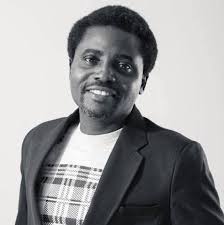
In the word of Alayande Stephen T., CEO/Co-Founder, TAF who also moderated the Webinar, he opined in his opening remarks ” World Theatre Day is indeed a day to celebrate thespians all over the world. On this World Theatre Day, we gather under a theme that is as much a challenge as it is a celebration: ‘Theatre and the Culture of Peace: Building Bridges, Not Borders.
For those of us who have spent decades in the trenches of storytelling, we know that the stage has never been just a floorboard and a spotlight. It is a sacred space where borders disappear.
As creatives, we have a choice: we can either be passive mirrors of this fractured reality, or we can be the architects of a new one. Today, we aren’t just here to discuss the aesthetics of theatre. We are here to talk about the utility of theatre. How do we turn our scripts into blueprints for peace? How do we use our influence to ensure that the ‘Generation Next’ inherits an industry and a continent that values collaboration over competition? “, he proudly submitted.
Storytelling as a Universal Connector
The panelists collectively emphasized that storytelling lies at the heart of peacebuilding. Through narratives, theatre allows audiences to step into unfamiliar realities, fostering understanding across cultural, racial, and social divides.
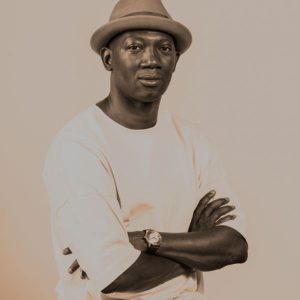
Serge Aimé Coulibaly ( Creative Director , Ankata Dance Company Burkina Faso) who joined from Brussels, Belgium shared a compelling personal story about his production “Kalakuta Republic,” which toured globally. He recounted how individuals who once harbored prejudice against him experienced a transformation after witnessing his performance—seeing not “the other,” but a fellow human being. His story illustrated how theatre can break down deeply rooted biases and humanize differences.
Theatre as a Tool for Social Reflection and Change

Coach Titilola Aboyade-Cole (Leadership Coach/MD, Podium Empire International, UK) highlighted theatre’s role as a mirror and molder of society. She explained that when audiences recognize themselves in stories on stage, it creates space for reflection, dialogue, and ultimately, change. Theatre, she noted, has the power to facilitate difficult conversations around conflict, identity, and division conversations that are often avoided in everyday life.
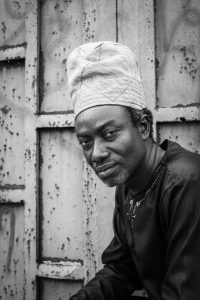
AJ Dagga Tolar ( Multiple Award Winning Author/Poet/Artist) expanded on this by describing artists as both observers and architects of society. He emphasized that beyond reflecting reality, artists have the responsibility to reshape perceptions and build mental bridges that encourage unity across classes, cultures, and ideologies.
Cultural Identity and Diaspora Connections
Kemisola Otekaiye-Colloraffi “Nkan”, Afro-Soul Singer/Culture Advocate/Actor(California, US), brought a diaspora perspective, sharing her experience navigating identity within the Western creative space. She spoke about using her Afro-soul artistry to maintain authenticity while bridging gaps between African and African-American communities.
Through her work, she actively dismantles stereotypes and fosters cultural understanding, demonstrating how theatre and performance can connect histories and identities across oceans.

Challenges Within the Theatre Ecosystem
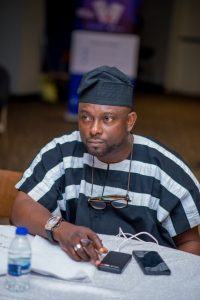
Dr. Sam Uche Anyamele fta. (Nollywood Actor/Thespian & former National Secretary, NANTAP) provided a critical and necessary perspective by shifting focus inward—towards the theatre industry itself. He argued that for theatre to effectively promote peace externally, there must first be peace, structure, and support within the practice.
He highlighted significant challenges faced by Nigerian theatre practitioners, including:
* Lack of accessible performance spaces
* Inconsistent cultural policies
* Limited institutional support
He called for deliberate efforts to improve infrastructure, governance, and collaboration within the industry, stressing that a thriving theatre ecosystem is essential for meaningful social impact.
BROADER THEMES AND INSIGHTS
Across the discussions, several key themes emerged:
* Theatre as a bridge between cultures and nations
* The importance of collaboration across linguistic and regional divides, particularly between Francophone and Anglophone Africa
* The role of theatre in addressing contemporary global issues, including conflict, inequality, and political division
* The need for artists to transition from passive storytellers to active change-makers
* The power of art to create empathy, dialogue, and shared humanity
The panelists repeatedly reinforced that theatre must evolve beyond entertainment to become a practical instrument for peacebuilding and social transformation.
The webinar successfully brought together global voices to:
* Explore how theatre fosters peace and unity
* Highlight the transformative power of storytelling
* Address systemic challenges within the African theatre landscape
* Encourage cross-cultural collaboration and exchange
* Inspire artists to use their platforms for intentional impact
CONCLUSION – A CALL TO BUILD, NOT DIVIDE
As the webinar drew to a close, one truth stood clear: theatre remains one of the most powerful instruments for unity in a divided world.
In a time marked by conflict and separation, theatre offers a space where stories transcend borders, where empathy replaces fear, and where dialogue becomes possible.
Today, we are living in a time where physical and mental borders are tightening. Xenophobia, economic disparity, and political walls threaten to stifle our collective voice, the current ongoing war in the middle east is a good example as it is affecting the ordinary people all over the world.
The call to action is not just for theatre practitioners, but for all creatives: to use their voices, platforms, and stories to build bridges of understanding, compassion, and peace.
Because in the end, theatre is not just performed on stage, it is lived in the connections it creates and the worlds it transforms.
Stay tuned for more updates on splash9ja